
People nowadays live most of the daylight time indoors. We are either travelling, working, taking care of people, of children, preparing or having food or doing some other activity indoors. If you think about your daily activities, you’ll see that very little time (sometimes even less than half an hour) during the day is spent outdoors. In the last 100 years architecture has developed to accommodate technologies such as electric lighting and air conditioning, gradually abandoning what vernacular architecture has taught us throughout millenia about good quality of spaces especially considering these two important factors in our lives. The distant view of a window, the rare situation of seeing daylight or being able to get fresh air has led to many health problems. Contemporary illnesses such as the lack of vitamin D in our bodies (and its consequences), sleep and awake cycle disorders, circadian system disorders, to mention a few, are directly influenced by such controlled indoor conditions or the lack of exposure to the outside.
What urban planners are still not aware of is that the way cities are planned have a great influence on the health and well-being of citizens, whether they have daylight access or not. Stakeholders are aware of this issue, of course, and the more daylight is provided in a building (especially in the residential segment), the more expensive will be the price per area for rent or sale. With the trend to build denser urban settings to accommodate an ever-increasing urban population, the daylight quality and availability can suffer immensely and we need immediate action!
What do you see from your window at home, at work, at the gym, at the daycare, at the hospital? How much natural light do you get from that window?
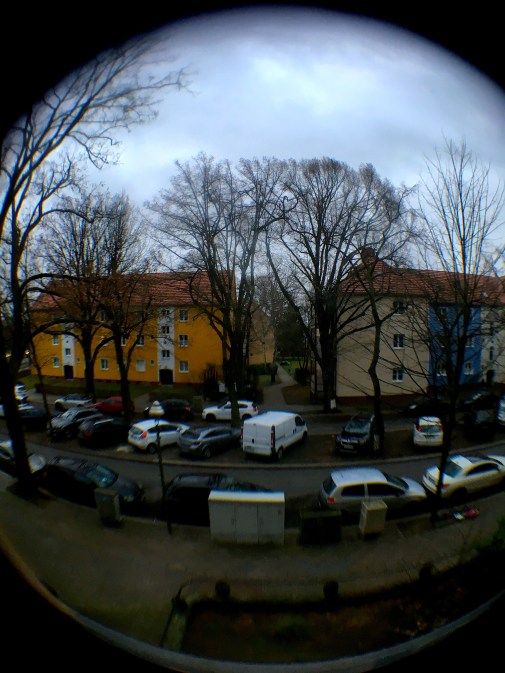
In an attempt to raise awareness for daylight availability in the urban context, we are starting a campaign to assess different daylight situations in different types of buildings and urban settings, by creating a huge database of images across the globe and being able to characterize what is good and bad urban daylight.
If you take a photo right there, just in front of your window, at your eye level, you will already get an impression of the amount of daylight you can get depending on how much of the sky you see. Basically, if you see almost nothing of the sky, it means that you are probably in an urban setting which is quite dense, buildings are tall and you are in one of the lowest levels. If you see some part of the sky, the surrounding buildings still have a significant influence on the amount of daylight you will receive through your window, but you will get some kind of daylight. And if you see more of the sky than you see of surrounding buildings, then that’s the way to go. In this case, you probably receive enough daylight to keep your circadian system going and you also have a good impression of the daylight and weather condition outdoors, which positively reflects on your health and psyche.
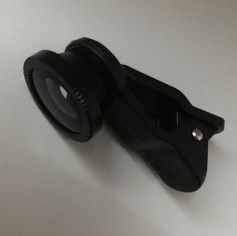
Ideally, you would take a photo using a fisheye lens (it’s then easier to understand the surroundings). I’m using an easy fisheye lens clip for the phone, but normal lenses would already show the impact of your surroundings in your everyday daylight access!
If you would like to share your daylight availability, please post your photos on Instagram with the hashtag #wisfmw (initials of WhatISeeFromMyWindow). The more photos we can collect, the better our campaign will be and we can move to next steps, which will be to map certain regions and urban densities and categorize the daylight availability.

See you in the next post.
#thelightingtips © all rights reserved
#wisfmw
#RightToDaylight
 The Lighting Tips
Leave a comment